How to Choose the Correct Injection Mould for Plastic Houseware mould : A Comprehensive Guide
Introduction:
Injection moulding is a critical process in the manufacturing of plastic houseware items. To ensure the production of high-quality products, it is essential to select the correct injection mould. In this blog, we will discuss the key factors you should consider when choosing an injection mould for plastic houseware. Whether you are a houseware mould manufacturer , these guidelines will assist you in making informed decisions.
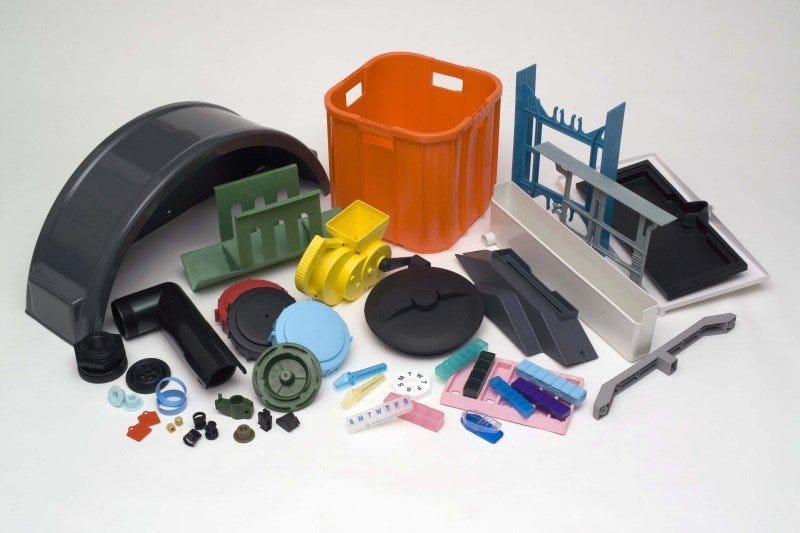
- Plastic Material:
The first step in selecting the right injection mould is understanding the plastic material you will be using. Different plastics have varying characteristics, such as melting point, shrinkage rate, and flowability. Choose a mould that is compatible with the specific plastic material you intend to use in your houseware production.
- Cycle Time:
Cycle time refers to the time required to complete one injection moulding cycle, including injection, cooling, and ejection. Consider the desired production rate and efficiency when determining the appropriate cycle time for your houseware mould. Minimizing cycle time can help optimize production and reduce costs.
- Cooling Time:
Proper cooling is crucial in injection moulding to ensure the dimensional stability and quality of the final product. Assess the cooling time needed for your specific plastic material and houseware design. Efficient cooling systems, such as cooling channels within the mould, can significantly impact production speed and part quality.
- Shot Weight:
Determine the shot weight, which includes the part weight, cold runner weight, and the number of cavities in the mould. The mould’s size and configuration should accommodate the required shot weight. Ensure the mould is designed to handle the expected production volume efficiently.
- Peak Injection Pressure Requirement:
Consider the peak injection pressure requirement for your houseware mould. The mould must withstand the pressure exerted during the injection process. Choose a mould made from durable materials capable of handling the necessary pressure without deformation or damage.
- Plasticizing Rate and Injection Rate:
The plasticizing rate and injection rate influence the fill speed and melt quality during the injection moulding process. Optimal plasticizing and injection rates promote uniform filling, minimize defects, and enhance the overall quality of your plastic houseware mould. Select a mould that can accommodate the desired plasticizing and injection rates.
- Hold Time and Pressure:
The hold time and pressure determine the packing phase of the injection moulding process. This phase helps eliminate voids and ensures the part is properly formed. The mould should be designed to apply consistent hold pressure for the necessary duration to achieve the desired part quality.
Conclusion:
Choosing the correct injection mould for plastic houseware is crucial to achieve high-quality products and optimize production efficiency. By considering factors such as plastic material, cycle time, cooling time, shot weight, peak injection pressure requirement, plasticizing rate, injection rate, hold time, and pressure, you can make informed decisions when selecting an injection mould. Whether you are a houseware mould exporter, investing time and effort into choosing the right mould will lead to successful and profitable plastic houseware production. We manufacture various types of houseware mould including Plastic Ice Cream Box & Cup Mould, Plastic Khajoor Box Mould,etc. Best quality houseware mould exporter from India


Comments
Post a Comment